Panchang in Dehradun Today
Saturday, 17 October 2026 · Dehradun, India
Laying on the Doon valley, the height of Dehradun city varies from places to places, as some part of the place is included in the clement town which is 410 meter and other part has a height of 700 meter, especially at Malsi, where the lesser Himalayan range rises. However, this hilly structure of the region turns it prone natural disasters like hailstorms, earthquake, cloudburst, landslide, clod waves, and flash floods. Rajaji national park, because of its reserve of elephants and Terai and Bhabar forest regions, enhances the geographical feature of Dehradun. Apart from the perennial rivers like the Ganga and Yamuna, the other rivers which passes through are Sahastradhara, Gautam Kund, Kalsi, Chandrabani and all.
Hinduism, Islamism, and Sikhism are first, second and third major religion of Dehradun, with 82.53%, 11.75%, and 3.50% of population. The rest of the population are divided among the Christians, Buddhist, Jain and people of other not recognized religion.
Sunrise6:21 AM
Sunset5:45 PM
All times are local time (UTC+05:30)
Panchang
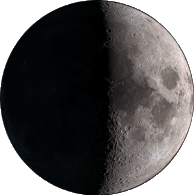
- Tithi
- Shukla Saptami upto 8:28 AM, 18 Oct
- Paksha
- Shukla Paksha
- Yoga
- Atiganda upto 11:02 PMSukarma upto 11:55 PM, 18 Oct
- Karana
- Gara upto 7:11 PMVanija upto 8:28 AM, 18 Oct
- Vara (Day)
- Shanivara
- Moon Sign
- Dhanu (Sagittarius) upto 7:32 PM, 18 Oct
- Sun Sign
- Kanya (Virgo)
- Shaka Samvat
- 1948 Parabhava
- Vikram Samvat
- 2083
- Kali Samvat
- 5127
- Month (Amanta)
- Ashwin
- Month (Purnimanta)
- Ashwin
- Pravishte / Gate
- 31
- Ritu
- Sharad (Autumn)
- Ayana
- Dakshinayana
- Day / Night
- 11h 23m / 12h 36m
- Moon Age
- Day 7 of 30
- Next New Moon
- 9 Nov 2026 12:32 PM
- Next Full Moon
- 26 Oct 2026 9:41 AM
- Abhijit Muhurta
- 11:40 AM to 12:25 PM
- Brahma Muhurta
- 4:40 AM to 5:30 AM
Good for prayer, starting new work and important decisions.
- Rahu Kaal
- 9:12 AM to 10:37 AM
- Yamaganda
- 1:28 PM to 2:54 PM
- Gulika Kaal
- 6:21 AM to 7:46 AM
- Dur Muhurta
- 6:21 AM to 7:06 AM7:06 AM to 7:52 AM
- Kulika
- 7:06 AM to 7:52 AM
- Disha Shoola
- East avoid travel this way
Tara Bala Favourable for people born in these nakshatras
Until 9:46 AM
AshwiniBharaniKrittikaMrigashiraPunarvasuAshleshaMaghaPurva PhalguniUttara PhalguniChitraVishakhaJyeshthaMoolaPurva AshadhaUttara AshadhaDhanishtaPurva BhadrapadaRevati
After 9:46 AM
AshwiniBharaniKrittikaRohiniArdraPushyaMaghaPurva PhalguniUttara PhalguniHastaSwatiAnuradhaMoolaPurva AshadhaUttara AshadhaShravanaShatabhishaUttara Bhadrapada
Chandra Bala Favourable for people with these moon signs
MithunaKarkaTulaDhanuKumbhaMeena
Planetary Positions at Sunrise
Sidereal (Lahiri) positions at sunrise. R = retrograde.
SunMonTueWedThuFriSat
PurnimaAmavasyaEkadashiSelected day
About the Panchang
The Panchang (Panjika) is the Hindu almanac. It is used to choose auspicious times (shubh muhurat) for important events
— marriage, naming a baby, starting a business or entering a new home — and to identify inauspicious periods
that are best avoided. Festivals and pujas are also scheduled by it: Lakshmi Puja falls on Purnima tithi, for example,
and Durga Puja on Saptami.
The name means “five limbs”: Tithi, Vara (weekday), Nakshatra,
Yoga and Karana. This page calculates them for the chosen city and date, together with
sunrise, sunset and the Moon's phase. Timings depend on the location, so they differ from city to city.
Tithi and Paksha
A tithi is the time it takes for the Moon to move 12° ahead of the Sun, so there are 30 tithis in a lunar month:
Pratipada, Dwitiya, Tritiya, Chaturthi, Panchami, Shashthi, Saptami, Ashtami, Navami, Dashami, Ekadashi, Dwadashi,
Trayodashi, Chaturdashi and Purnima in the bright half (Shukla Paksha), and the same fifteen ending in Amavasya in the
dark half (Krishna Paksha).
Karana and Yoga
Each tithi has two karanas: the movable Bava, Balava, Kaulava, Taitila, Gara, Vanija and Vishti (Bhadra), and the fixed
Shakuni, Chatushpada, Naga and Kimstughna. There are 27 yogas, found by adding the longitudes of the Sun and Moon and
dividing by 13°20′: Vishkambha, Priti, Ayushman, Saubhagya, Shobhana, Atiganda, Sukarma, Dhriti, Shoola,
Ganda, Vriddhi, Dhruva, Vyaghata, Harshana, Vajra, Siddhi, Vyatipata, Variyana, Parigha, Shiva, Siddha, Sadhya, Shubha,
Shukla, Brahma, Indra and Vaidhriti.
Before starting a journey or anything important, prefer the auspicious times above and avoid Rahu Kaal,
Yamaganda, Gulika Kaal, Dur Muhurta and Mrityu periods.